Who deserves the harshest consequences for unsporting behaviour? A serial offending ludicrously wealthy professional athlete or a homeless teenager with a lot of tough stuff going on in her life?
That’s what I asked myself as I was pondering the following questions.
What is the primary role of sport? What is its most important function in the world? Is it a business? Entertainment? A health activity? Is it for community building? For individual human development and training? Does it perform other sociological functions?
To some degree sport performs all of these functions and more. While elite sport and professional sport are very different from garden-variety amateur and recreational sport in many ways, one element that most of us would hope is common across all kinds of sport is that games are run, structured, administered and played fairly.
In other words, the world’s greatest athletes and their week-end warrior equivalents should be treated with an equivalent degree of harshness if they are found guilty of unsporting behaviour. One champion soccer player’s recent suspension for stomping and spitting on an official from an opposing team demonstrates that this is sometimes not the case.
Serial offender
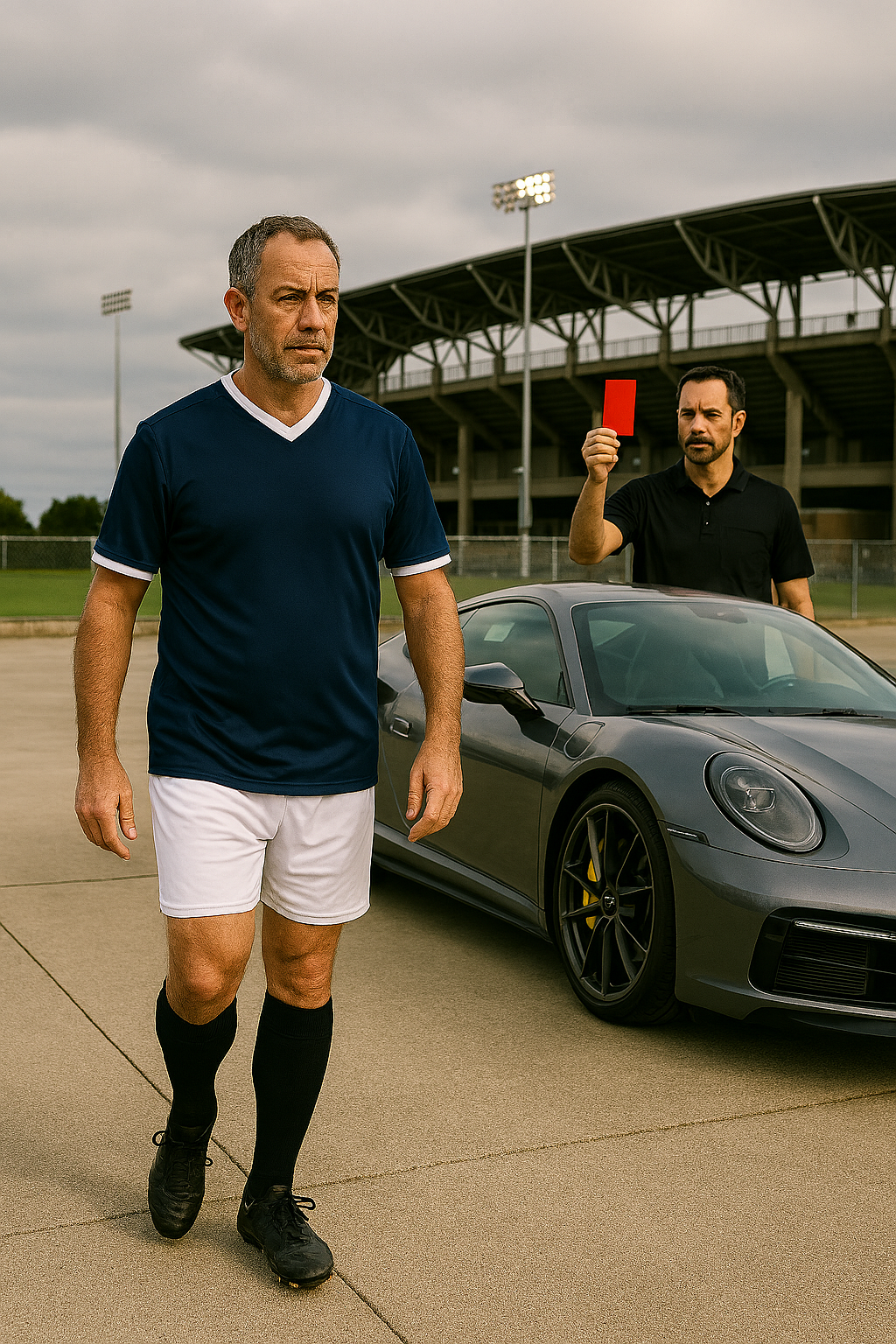
This bloke is a serial offender. Throughout his career he has received suspensions for multiple acts of spitting, stomping, diving, and biting. For one of his biting indiscretions he received a four month ban from all games and a nine month ban from international games. These were, by far, his longest penalties. Despite his lengthy list of indiscretions, he has still managed to accumulate an enormous fortune estimated by various sports experts as being in the region of 70 million bucks. Not all of his wealth has come from the clubs who pay him for his playing. A significant portion of his money, throughout the years, has come through sponsorship deals and advertising money coming from huge multi-national corporations.
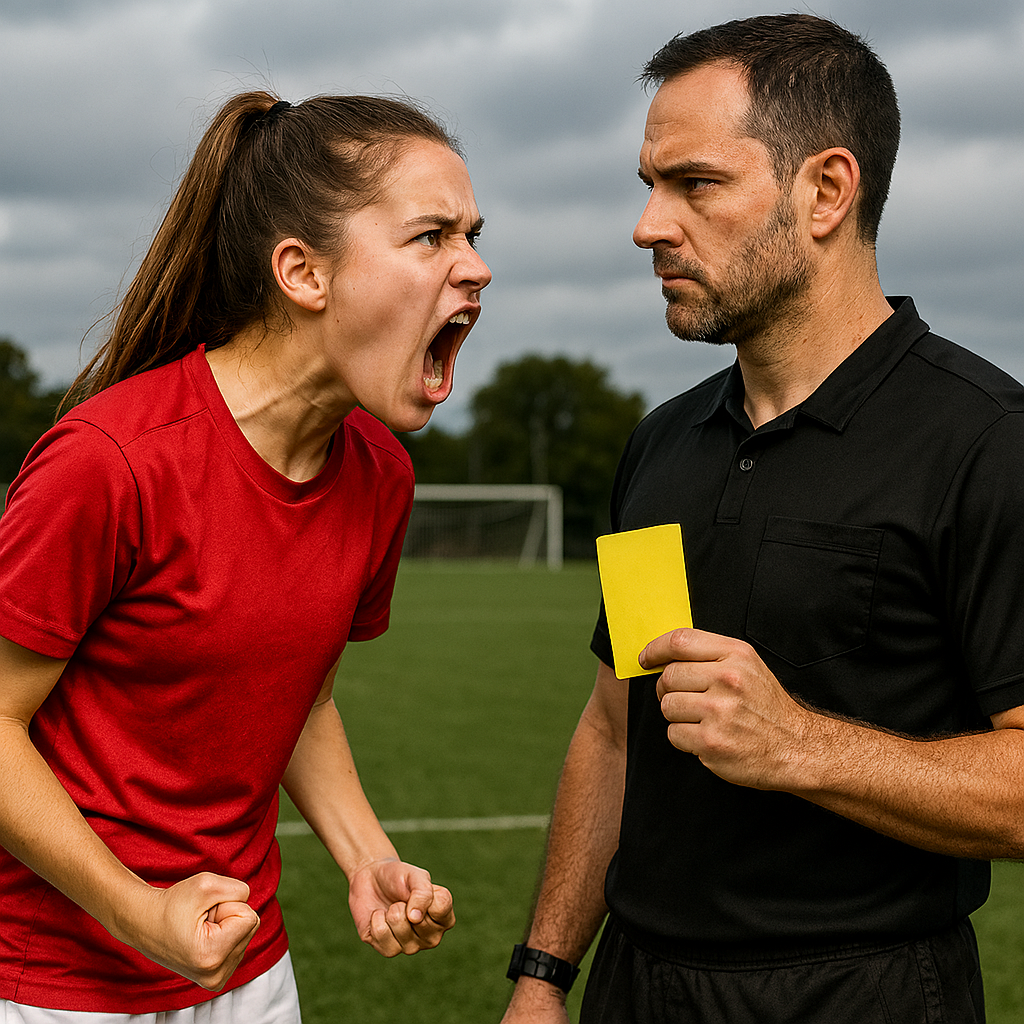
Some years back I was on the sideline of a kid’s soccer match when a teenage girl vented her fury at her goal being disallowed by spitting at the feet of the referee. She, correctly, received a red card from the young ref. There was no hearing into the matter. The teenager received an automatic twelve month’s suspension. The fact that the girl was homeless (living on the couches of friends) and was experiencing a series of life events, at the time, that most of us wouldn’t suffer in a lifetime was not considered. Her coach suggested to local officials that, under the circumstances, perhaps she could serve three months of her suspension then be allowed to return to the field for the remaining nine months “on parole”. The coach’s appeal was not even considered.
No hearing or appeal
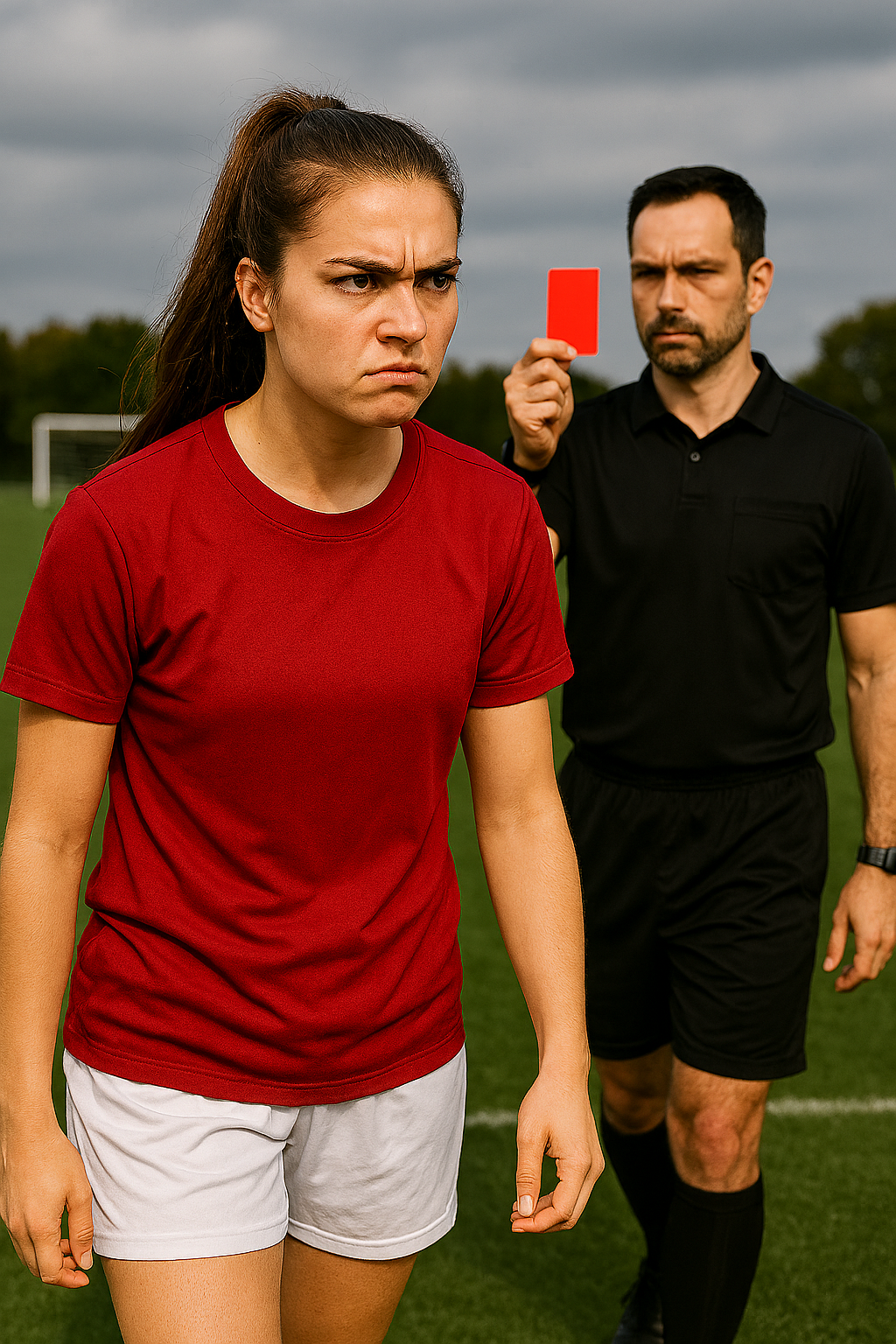
It would be true to say that her weekly game of soccer was the penniless and homeless child’s only piece of normalcy in her life. She relied upon it. It connected her with the local community. It provided her with invaluable life lessons. It provided her with healthy exercise. She was good at the sport, so it also helped her to feel good about herself. Yet her access to this critical aspect of her life was taken away without hearing or appeal.
I am not defending the child’s actions. Severe consequences were called for. But the disciplinary processes were unfair and flawed. What is also unfair is that an athlete who has accumulated many millions for playing his sport despite dozens of examples of unsportsmanlike behaviour receives a six-week suspension for a similar offence. It could be argued that, as the wealthy pro athlete was an adult, and a highly paid role model, his offence was worse and should have carried a higher penalty. It wasn’t.
Sport is about fairness
The role of sport as business and entertainment is important. The list of goods that come from it is huge. Fun, education, careers, community, inspiration, financial opportunity are just some of the positive outcomes of professional sport. But sport is about fairness. Professional athletes should not be considered better than the rest of us and worthy of special treatment when they behave badly. If anything, the opposite is true. The same rule of fairness should also apply to community sport. Unsportsmanlike behaviour, at this level, should also incur consequences. But the consequences should reflect the circumstances that apply to the act. Mandatory sentences without hearing or appeal should never apply in a community event that is supposed to foster the health and well-being of participants. Especially young participants.

Leave a Reply