While listening to prominent podcast broadcaster, Josh Szeps, (when he was a guest on the Radio National “The Year That Made Me” programme), talk about how “coming out” for him was not about dealing with homophobia, discrimination or bigotry but was more about how coming out felt like being corralled into a very specific tribe that did not feel right, it reminded me of the important role that sporting clubs for queer athletes play in providing a safe community space for people with complex identities who do not conform to LGBTQI+ stereotypes. Many athletes feel caught in a limbo somewhere between the predominantly straight world and the alternative mainstream gay culture. It must be scary and lonely place.
While Josh wasn’t talking about sport in the interview, the point that he made about identity being a difficult and complex issue may ring true for many gay athletes.

“I’ve always felt a resistance to signing up to one tribe or another. I am conflicted about my Jewishness. I am conflicted about my gayness. I’m conflicted about my whiteness. I think that that is proper. I don’t think anyone should be ceaselessly proud of an identity category that they didn’t have any ability to choose. Was it hard coming out? It was hard when the way that gayness was presented to me (in this very gay-friendly city of Sydney) was that if you were gay you had to open up a pandora’s box of all these different identity issues because there was a certain way of walking, a certain way of talking, a certain way of dressing, a certain way of voting, a certain way of thinking if you were capital G gay. That’s what I found hard. It wasn’t because of bigotry or homophobia (which was, thankfully, not really present for me at the time.) It was… do the object of my heart and my loins mean that I suddenly have to change who I am?”
The birth of clubs like the Sydney Convicts have enabled many people with similar conflicted feelings about identity to not only find community but to not have to suddenly change who they are.
Filling in the details on why sporting clubs are important to many queer people here is a story created with the help of ChatGPT about the birth and role of the Sydney Convicts Rugby Club.
Breaking the Scrum: The Sydney Convicts and the Power of Inclusive Rugby
In the heart of Sydney’s rugby scene, a club emerged in 2004 that would redefine what it means to belong on and off the field. The Sydney Convicts Rugby Club, Australia’s first gay and inclusive rugby union team, was born not just out of a love for the sport, but from a deep need for community, visibility, and pride. At the helm of this pioneering movement was Andrew ‘Fuzz’ Purchas — a man whose vision and tenacity helped carve out a space where LGBTQ+ men could thrive in a sport that had long excluded them.
A Club Built on Courage
The Sydney Convicts were founded by Purchas after he returned from San Francisco, inspired by the inclusive rugby culture he had experienced there. Having faced exclusion from the sport after coming out as gay, Purchas was determined to create a team that would challenge stereotypes and offer LGBTQ+ men a chance to play rugby without fear or shame.
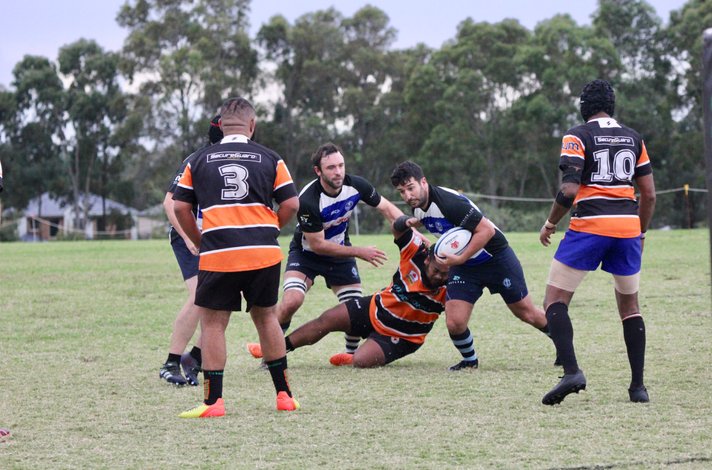
From the outset, the Convicts were more than just a rugby team. They were a statement — a declaration that LGBTQ+ athletes belonged in competitive sport. The club’s name, a cheeky nod to Australia’s colonial past, also reflected the rebellious spirit of its founders: unapologetic, proud, and ready to disrupt the status quo.
Andrew Purchas: A Visionary Leader
Andrew Purchas’s leadership extended far beyond the pitch. As the founding president of the Sydney Convicts, he was instrumental in shaping the club’s ethos of inclusion, resilience, and excellence. His efforts earned him the Medal of the Order of Australia (OAM) in 2017 for “service to rugby union and to the promotion of social inclusion for LGBTI people”.
Purchas didn’t just build a team — he built a movement. He spearheaded initiatives like the Pride in Sport Index, led the Skins “Homophobia? Knot Me” rainbow laces campaign, and played a central role in securing formal anti-homophobia commitments from the CEOs of five major Australian sports in 2014. His advocacy helped shift the culture of Australian sport, making it more inclusive and welcoming for LGBTQ+ athletes.
More Than a Game
For many LGBTQ+ men, sport can be a site of trauma — a place where they were bullied, excluded, or forced to hide their identities. The Sydney Convicts flipped that narrative. They offered a space where players could be themselves, where camaraderie was built not on conformity but on authenticity.
As Purchas reflected during the club’s 20th anniversary celebration, “These are the relationships that go beyond the game, the ones that will be there for you long after the final whistle blows. That, to me, is the most meaningful legacy of the Sydney Convicts”.
The club’s impact is deeply personal. Former players have spoken about how joining the Convicts helped them come out, build confidence, and find a chosen family. One life member, Charlie, put it best: “The Sydney Convicts is as much about creating better, more selfless, and confident people as it is about winning games”.
Changing the Game
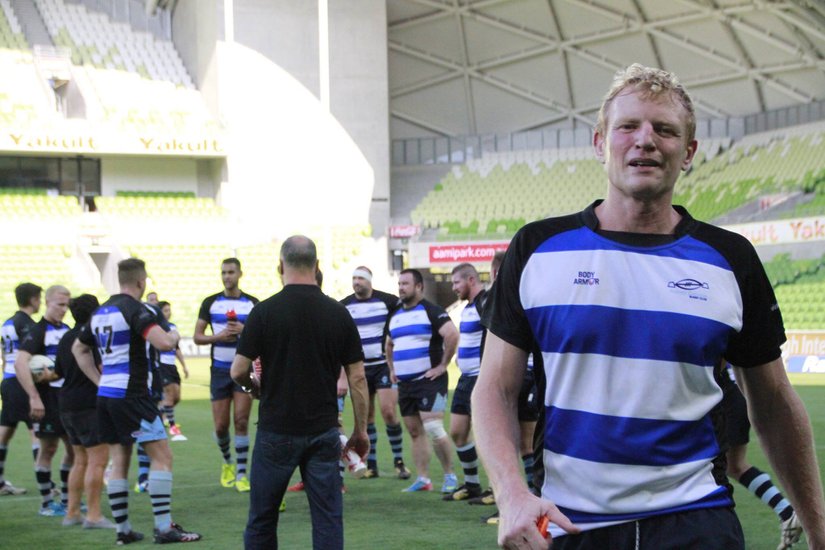
The Convicts didn’t just play — they won. They’ve claimed the International Gay Rugby Bingham Cup five times, hosted the tournament in Sydney in 2014, and consistently demonstrated that inclusive teams can compete at the highest levels. Their success challenged the myth that LGBTQ+ athletes are somehow less capable or less committed.
Their partnership with the Woollahra Colleagues Rugby Club in 2004 was a turning point. Initially unsure of what to expect from a gay rugby team, the Colleagues soon saw the Convicts’ dedication and skill. They trained harder, played tougher, and earned respect. In some cases, straight players chose to join the Convicts — and some even used the opportunity to come out themselves.
This kind of cultural shift is profound. It shows that inclusion doesn’t dilute competition — it strengthens it. It proves that when people are allowed to bring their whole selves to the game, they perform better, connect deeper, and build stronger teams.
A Legacy of Pride
Today, the Sydney Convicts stand as a beacon for LGBTQ+ inclusion in sport. They’ve inspired the creation of other inclusive rugby clubs in Australia, such as the Brisbane Hustlers and the Melbourne Chargers. They’ve helped countless men reclaim their love of sport, and they’ve shown the world what’s possible when courage meets community.
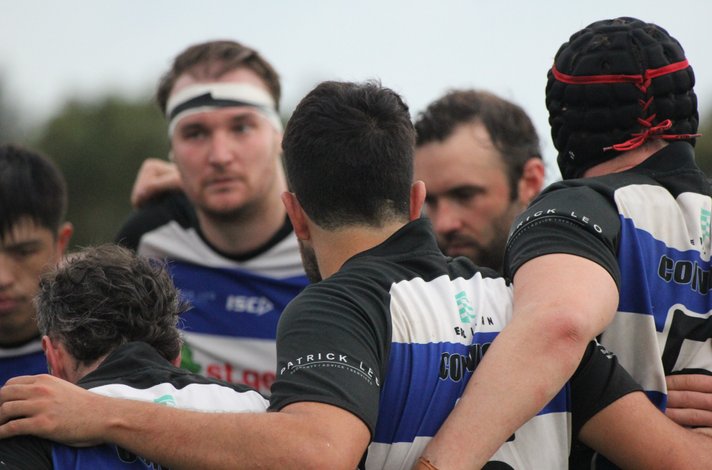
Andrew Purchas’s legacy is woven into every jersey, every try, every cheer from the sidelines. His work has transformed rugby from a site of exclusion into a platform for empowerment. As Australian Rugby Union CEO Bill Pulver said, “He has been instrumental in Australian rugby’s adoption of policies and programs to address homophobia and ensure everyone feels safe, welcome and included to play and enjoy our sport”.
Looking Ahead
Despite the progress, Purchas is clear-eyed about the challenges that remain. “Discrimination in sport continues to be both common and damaging,” he said. “Without pro-active initiatives, at all levels of sport, this discrimination will continue to have a very negative impact on the ability for LGBT people to enjoy the many benefits that sports offer”.
That’s why the work of the Sydney Convicts — and clubs like them — remains vital. They’re not just playing rugby. They’re building bridges, breaking barriers, and rewriting the rules of inclusion.
Conclusion
The Sydney Convicts Rugby Club is a testament to the power of sport to heal, unite, and transform. Under Andrew Purchas’s visionary leadership, the club became a sanctuary for LGBTQ+ men — a place where they could be strong, proud, and unapologetically themselves.
In a world where sport has too often been a site of exclusion, the Convicts remind us that the game is better when everyone gets to play. Their story is one of courage, community, and conviction — and it’s far from over.

Leave a Reply